
The Main Entrance
Shortened Version
Author: Yana Amis
I grew up in Moscow near Chistye Prudy. My family was considered “intellectual”: my grandfather survived labor camps in Yakutia, and my father was imprisoned before the war as the son of an “enemy of the people” before being sent to the front. Despite all this, I was raised with strict manners and constantly reminded that decent children should avoid dangerous places — especially Sokolniki Park.
Naturally, forbidden places fascinated me most.
Near our home there was an abandoned yard called “House Seventeen,” where former prisoners, black-market operators, and local tough guys gathered. I secretly listened to their songs and conversations. They cursed the Soviet authorities, played cards, and spoke in prison slang. Yet they treated me kindly. One man nicknamed Lead called me “little white princess” and peeled apples for me with a knife.
Years later I met him again at Kursky Station — old, homeless, and drunk. He recognized me instantly. I gave him all my money and cried afterward.
My best friend was Chera, a fearless girl with wild ideas. Together we skipped school, rode horses at the racetrack, and stole coins from relatives to pay for lessons. Once Chera stole her grandfather’s gold watch, then cleverly “found” it again and received a reward from her grandmother.
We loved wandering around Moscow: eating salted cucumbers from a vegetable seller named Kandak, buying halva near the tea store with golden dragons, and dreaming about glamorous lives.
Sokolniki Park terrified everyone. Rumors claimed girls were attacked and murdered there. Still, we desperately wanted to go.
One day we heard that Mosfilm was searching for a girl for a new movie. The audition would take place at the main entrance to Sokolniki Park. Chera and I were convinced we would become movie stars.
But on the audition day Chera was locked at home by her parents. So we staged a fake apartment fire, called the police and firefighters, and escaped during the confusion.
We put on makeup in a public restroom, bought cigarettes, and rode the subway imagining ourselves actresses. At the audition, however, the director dismissed us immediately.
“You’re not right for the role,” he said. “We need innocence.”
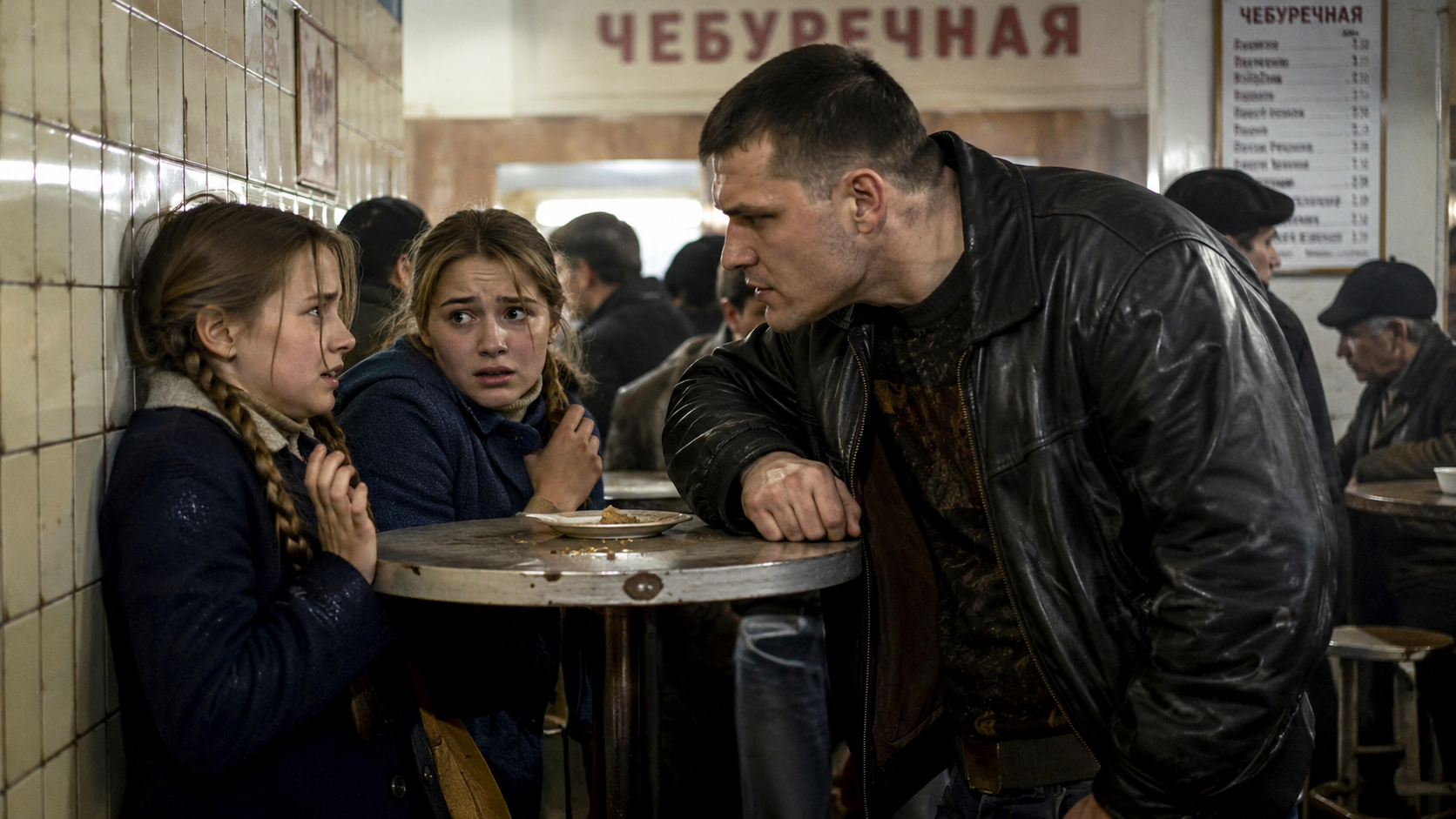
Disappointed, we wandered deeper into the park and found a crowded cheburek café. While Chera waited in line, a rough-looking young man grabbed my shoulders.
“You’re coming with me,” he whispered.
I felt something sharp against my side. I was terrified. Nobody around us noticed anything.
Then suddenly I remembered the men from “House Seventeen,” their prison slang, and their tough way of speaking. Somehow I found the courage to answer him in the same language.
The man froze, then slowly backed away.
“What’s your nickname?” he asked respectfully.
“Anka Hippodrome,” I replied.
He laughed and disappeared.
That evening, eating greasy chebureki and smoking cigarettes with Chera, I realized something important: fear had changed me forever.