


Adults Need Games Too
I remember those days in vivid detail: a cup of cold coffee, a phone full of unread messages, and the feeling that life had pressed “pause.” First came a layoff. Then a divorce. The house that had once felt like a fortress was divided with my ex-husband, and along with it, it felt as though my plans and confidence had been cut in half. The days turned into a gray ribbon: I did what I “had to,” but no longer felt what I “wanted.” A friend looked at me and said, “Come to a game. Just try it.”
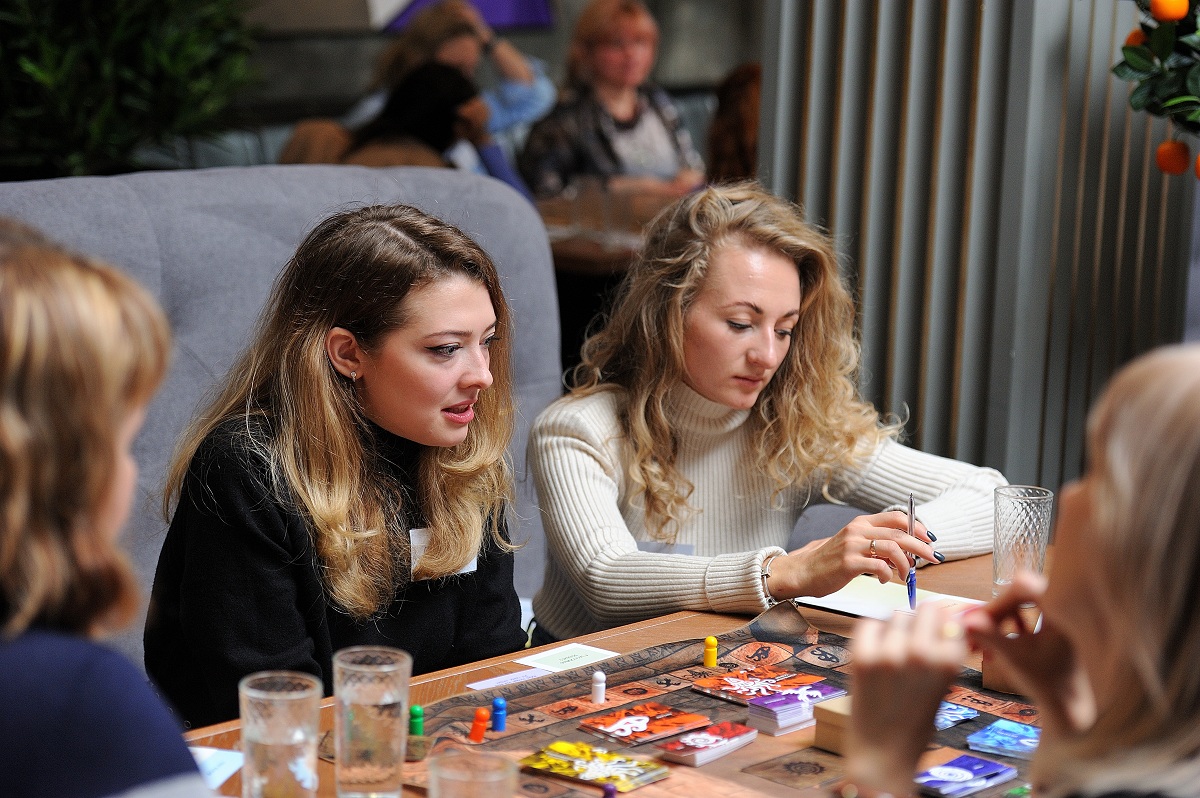
Honestly? I went out of politeness. What is a board game for adults when the real stakes are not “winning,” but your own life? It seemed amusing: a board, tokens, cards, задания, and engaged people around the table. We laughed, moved our pieces, and discussed what came up. And then — at one moment — something clicked inside me. A situation in the game mirrored my real-life pattern so precisely that I suddenly saw it clearly: where I was stuck, what I was avoiding, and why I kept choosing “safe” instead of “real.” For the first time in months, my problems did not weigh me down; they neatly arranged themselves into place. By the end, I walked away not with strangers’ sympathy, but with a concrete understanding of what I needed to do tomorrow, what to do next week, and what I simply needed to stop carrying on my shoulders.
It was not a “magical healing,” but a surprisingly gentle transformation: from a woman who was hiding into a woman who chose herself again. I started taking care of myself, refreshed my wardrobe, returned to the projects I had dreamed of, and — most importantly — regained my taste for life. And a few months later, at one of these games, I met the man who became the love of my life. It was as if life reminded me: new doors open when you stop standing at the old ones.
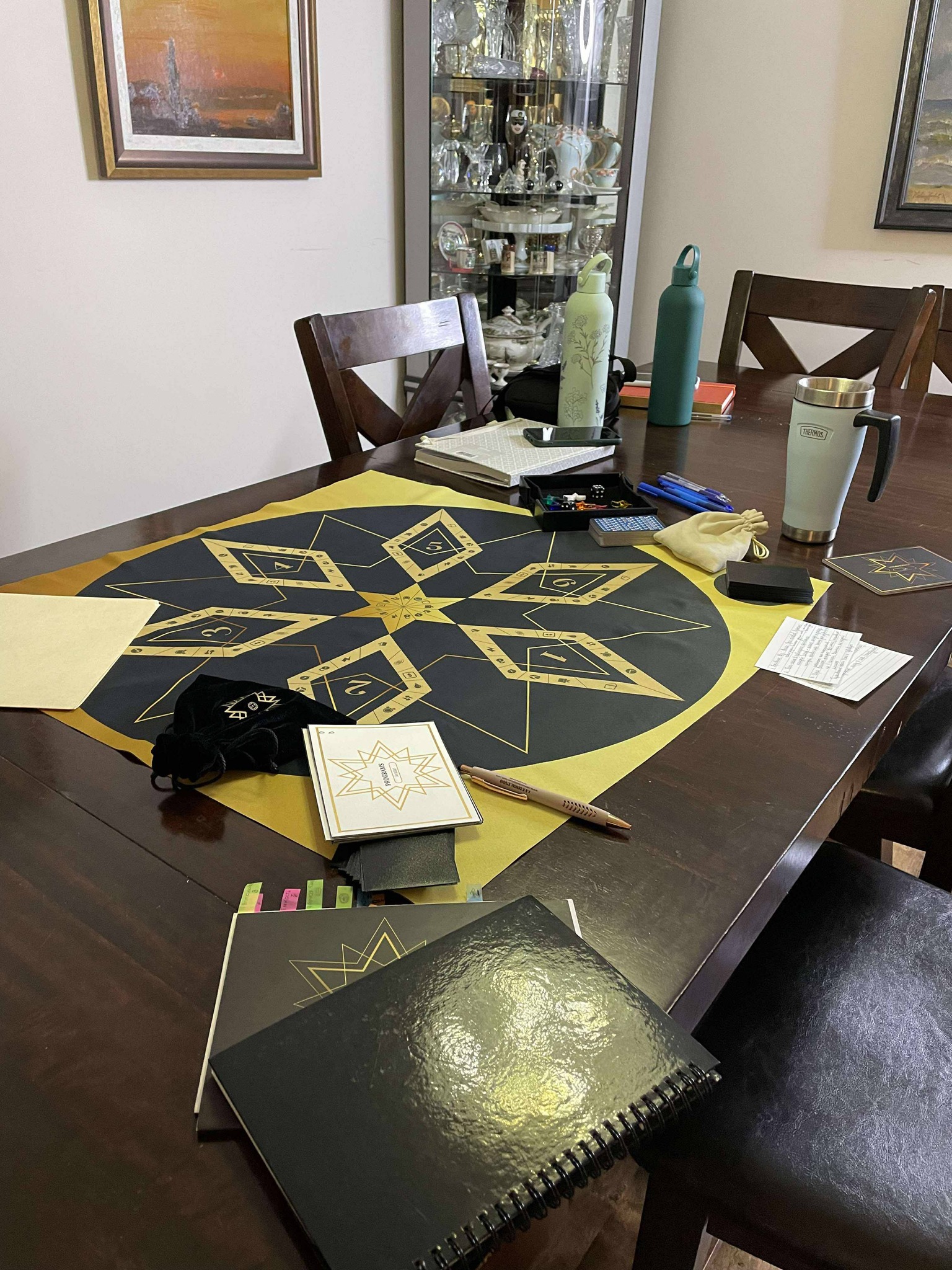
What are transformational games? They are psychological and developmental practices in the format of a board game, where the facilitator (master) helps participants explore a personal question — relationships, finances, career, self-esteem, life choices — through scenarios, metaphors, and “here and now” decisions. There are games for personal growth, business development, financial literacy, brand promotion and visibility, and for finding resources and balance.
Why does it work? Because serious questions are experienced in a safe, playful format. A game draws you in: you want to keep moving forward, trying things, seeing what happens. The brain gets quick feedback — that very effect of engagement — and learning happens more easily than in a lecture. There is also the influence of the group: we hear other people’s stories, recognize ourselves in them, receive support and honest feedback. And the facilitator helps turn game insights into real-life steps.
In recent years, the Russian-speaking world — in Russia, Ukraine, and other countries of the former USSR — has seen a noticeable surge of interest in transformational games. That is understandable: times are changing, familiar supports are shaking, and people are looking for formats that help them quickly clarify “where to go next” — without moralizing or heavy conversations.
Mini-guide: how to choose a game
- For life tuning and personal resources — Kamerton.
- For purpose and inner answers — Leela: reflection through the metaphor of the path.
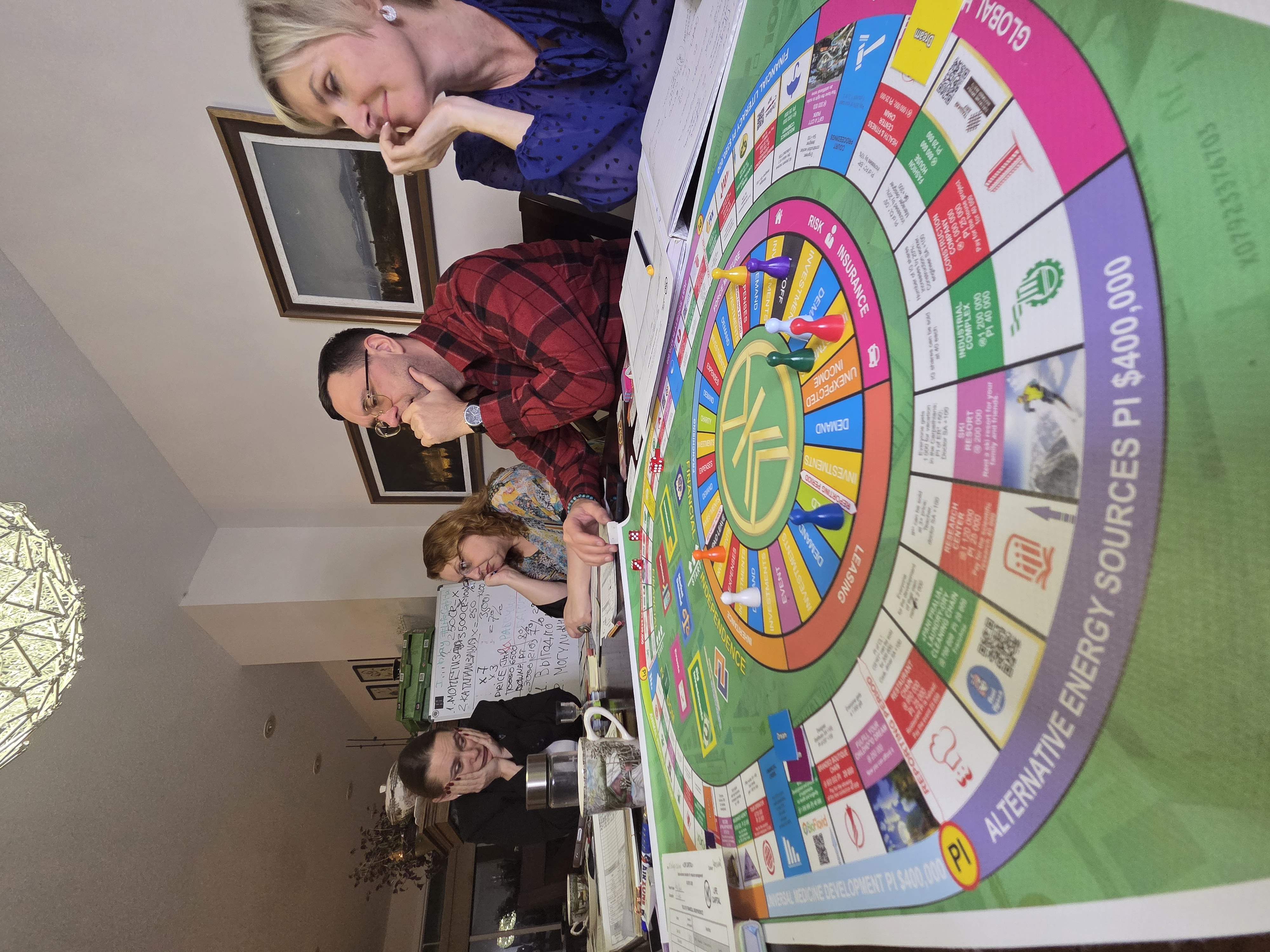
- For money and strategy — Life Capital: financial thinking, decision-making, planning.
- For visibility and personal brand — Code of Publicity.
- For balance — Life as a House.
- For connection with yourself and life energy — Living Human (and other original games).
The good news is that in our Russian-speaking community in Ottawa, a whole circle of facilitators and formats has already formed — there is an association, there are hosts for different games, and there are regular evenings where you can come “just to try,” get acquainted, and choose the guide who feels right for you.
Try it once — and you will understand why adults need games too. Sometimes it is a game that gives back what we lose in the adult world: lightness, courage, and clarity about where to go next. And yes: if you are going through a difficult period, a game can be a gentle source of support, but when needed, it does not replace professional help.
Author: Elena B.